Oil Printing
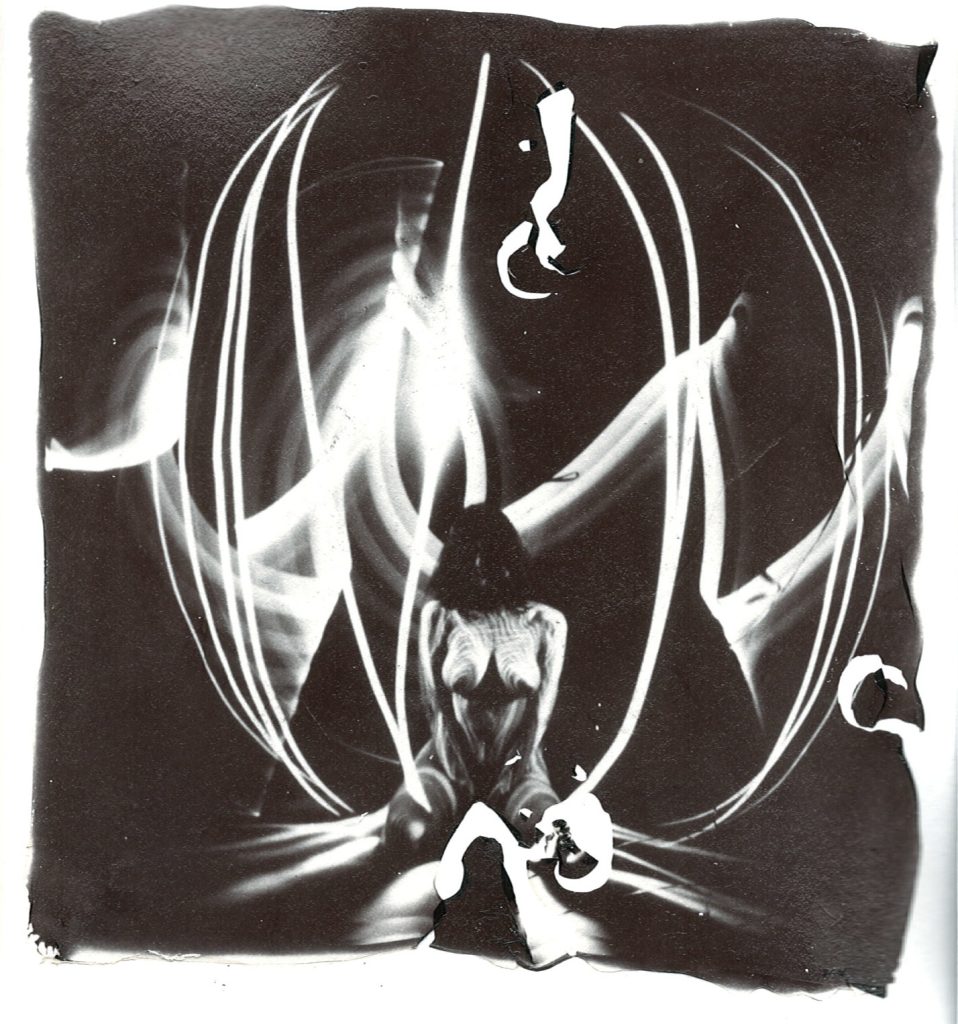
Developed in the mid-19th century, oil printing belongs to the family of chromated gelatin processes. A sheet coated with dichromated gelatin is exposed under a negative and then soaked in water. The hardened areas repel water and accept greasy ink, which is brushed in by hand. Because the image is physically inked by the artist, every print is slightly unique. Historically associated with pictorialism, today it is valued for its painterly surface, deep blacks, and strong archival stability when made with quality pigments.
Resinotype
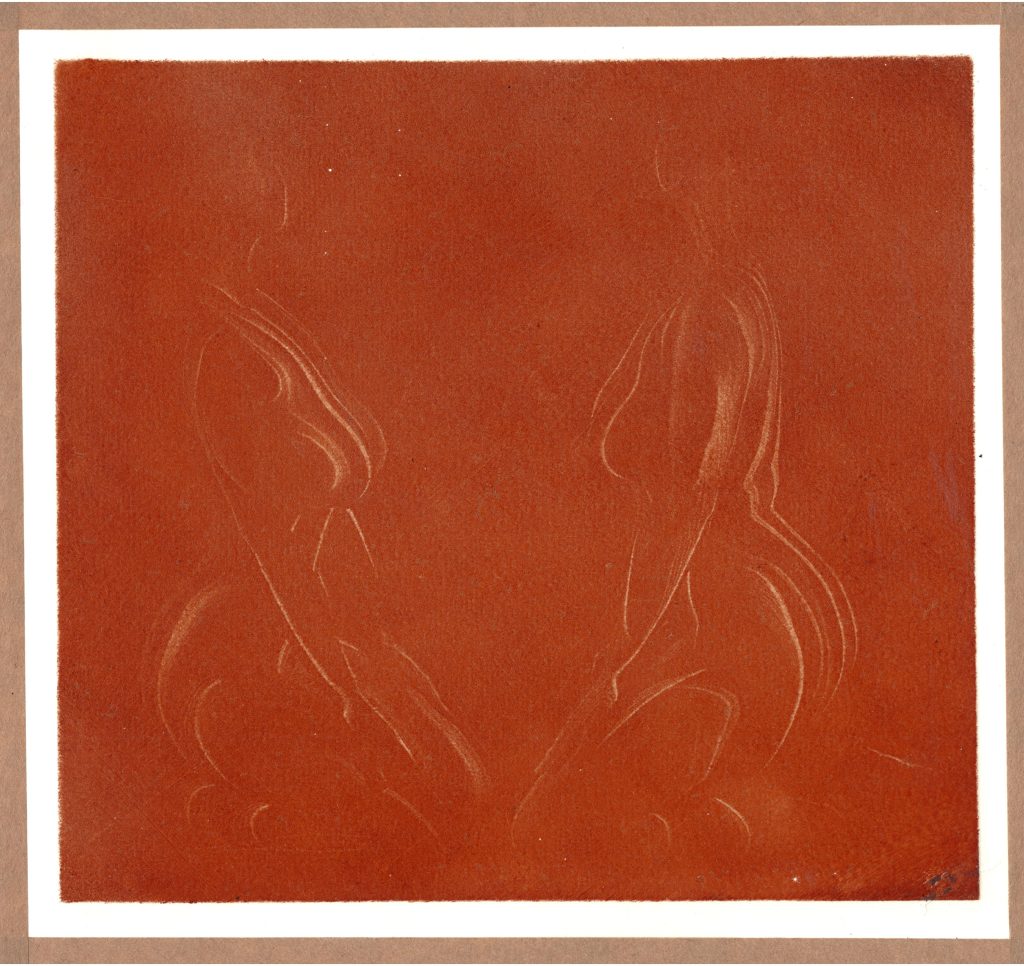
Resinotype is a contemporary pigment-based approach combining photographic exposure with resin-bound image layers. The process allows controlled tonal separation and layering, often resulting in luminous depth and a slightly sculptural surface quality. Unlike purely historical techniques, resinotype invites material experimentation — transparency, gloss variation, and layering can become part of the visual language. It sits between alternative photography and mixed-media printmaking.
Cyanotype
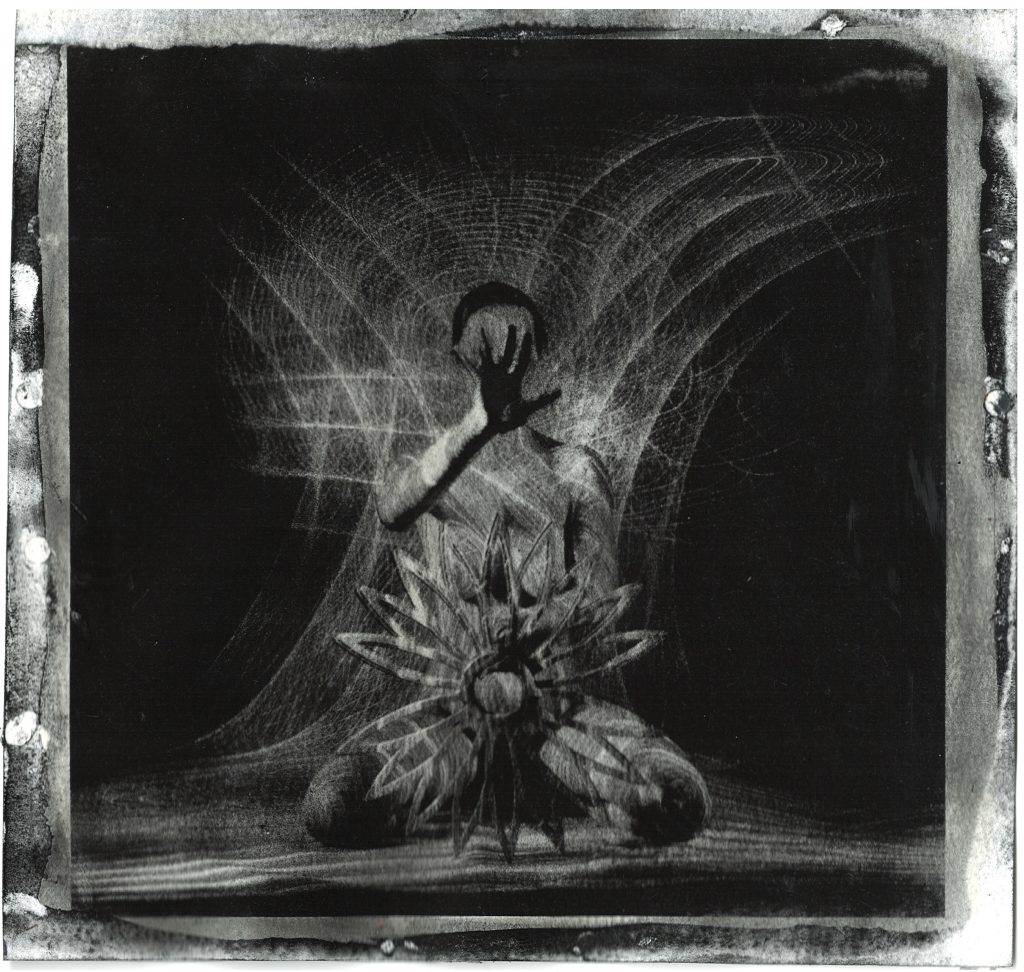
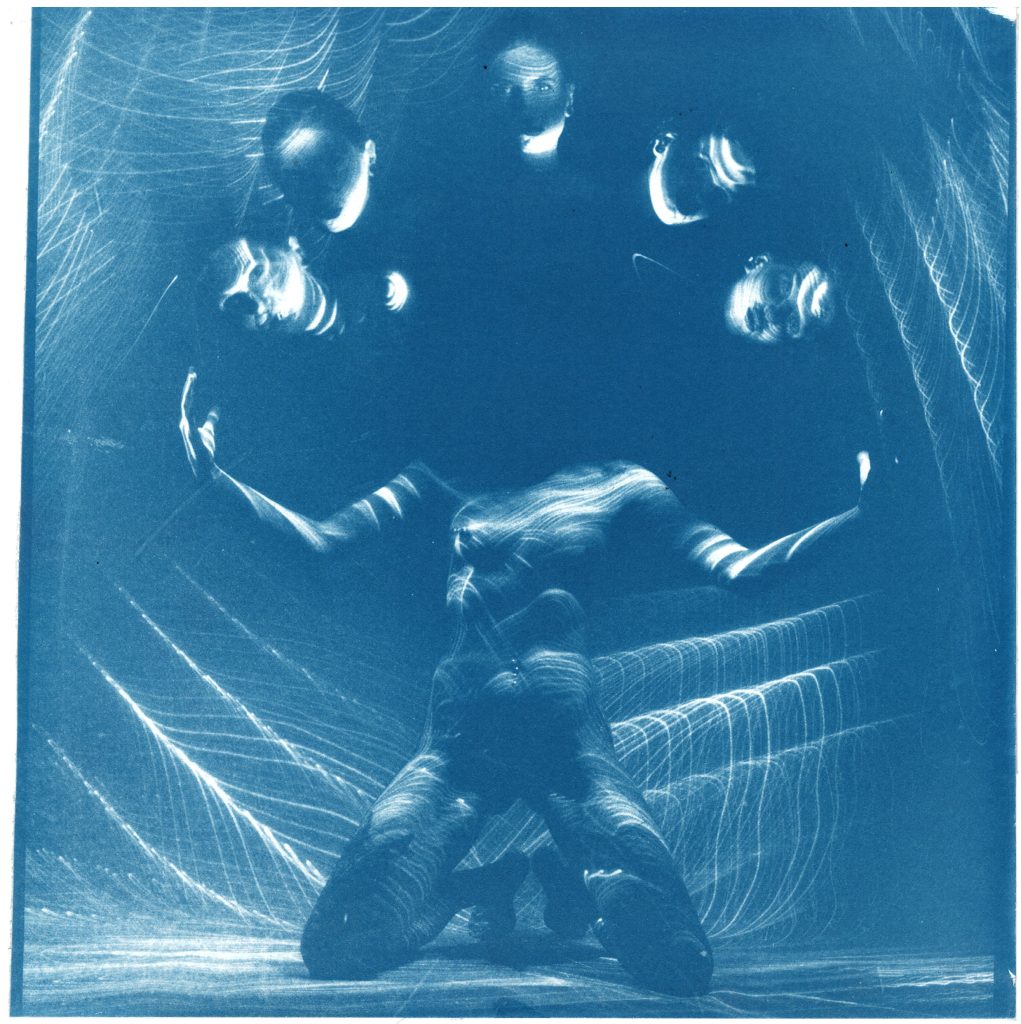
Introduced in 1842 by Sir John Herschel, cyanotype is one of the earliest non-silver photographic processes. It relies on iron salts that turn deep Prussian blue after UV exposure and washing. Originally used for botanical studies and architectural blueprints, it has become a widely accessible fine art technique. Its strengths lie in graphic contrast, delicate highlights, and the distinctive monochrome palette, though it can also be toned to other hues.
Gum Bichromate
Popular among pictorialist photographers at the turn of the 20th century, gum bichromate uses gum arabic mixed with pigment and dichromate sensitizer. Each exposure forms a single layer, and multiple layers can be built to create color images. The process allows selective washing and brushing, giving the artist exceptional control over softness, texture, and tonal interpretation. The result often resembles drawing or watercolor rather than conventional photography.
Liquid Photo Emulsion
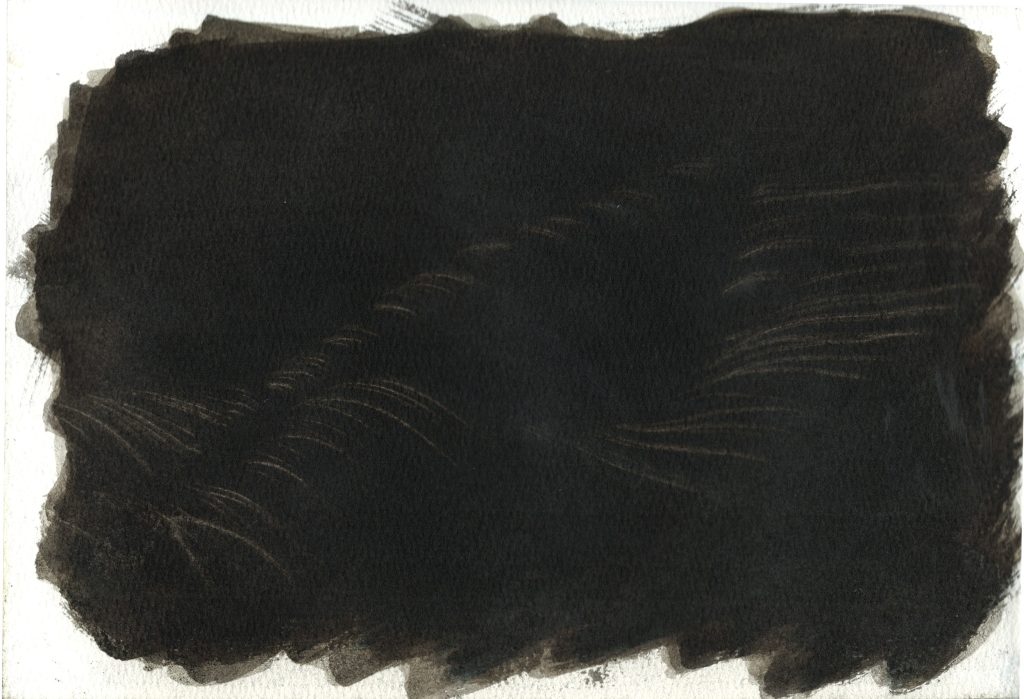
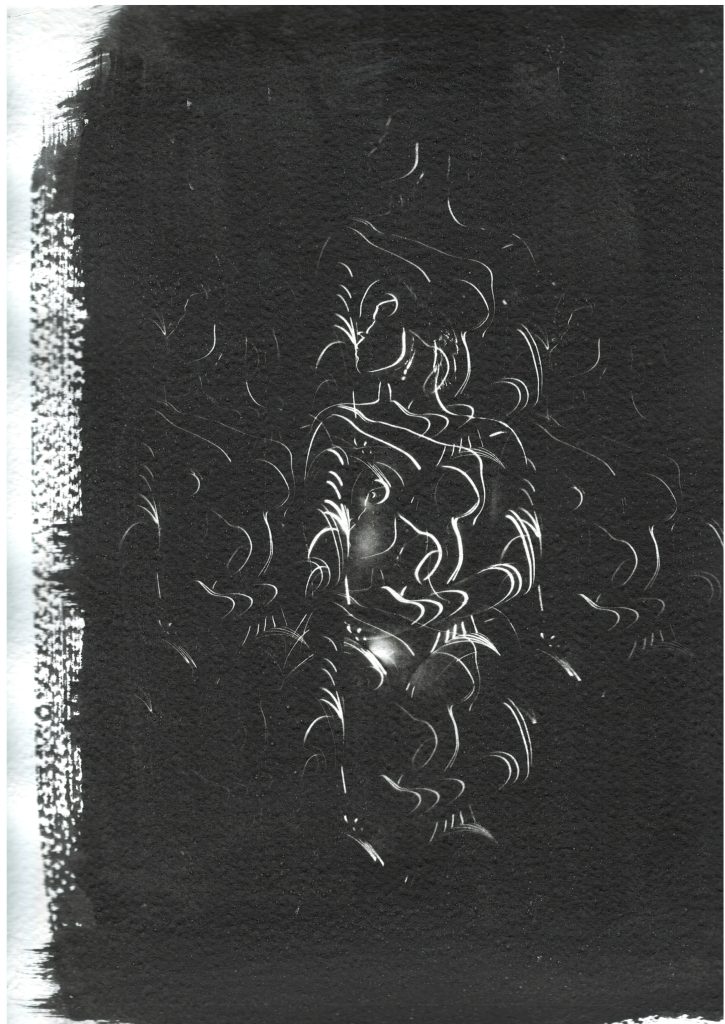
Liquid photo emulsion is essentially silver gelatin emulsion in a brushable or coatable form. Applied to paper, wood, glass, metal, or canvas, it allows traditional darkroom enlargement onto unconventional surfaces. Once dry, it behaves like standard black-and-white photographic paper and can be developed under normal darkroom conditions. The process expands classical photography into object-based work, while retaining fine tonal gradation and detail typical of silver gelatin prints.
Gelage (Water Transfer from Glass)
Gelage is a transfer technique in which a liquid photo emulsion is coated onto glass, exposed and developed, and then released in water so the gelatin image layer can be transferred onto paper or another absorbent surface. Once floating freely, the delicate emulsion can be positioned onto fine art paper, textured substrates, or theoretically even fabric or thin wood veneer. The process introduces subtle distortions, edge irregularities, and tactile surface qualities, making each transfer a unique object rather than a mechanically fixed print.